Leave a Message

Thank you for your message. We will be in touch with you shortly.

Downtown Atlanta Penthouses Buyer’s Guide To Sky-High Living

Downtown Atlanta Penthouses Buyer’s Guide To Sky-High Living

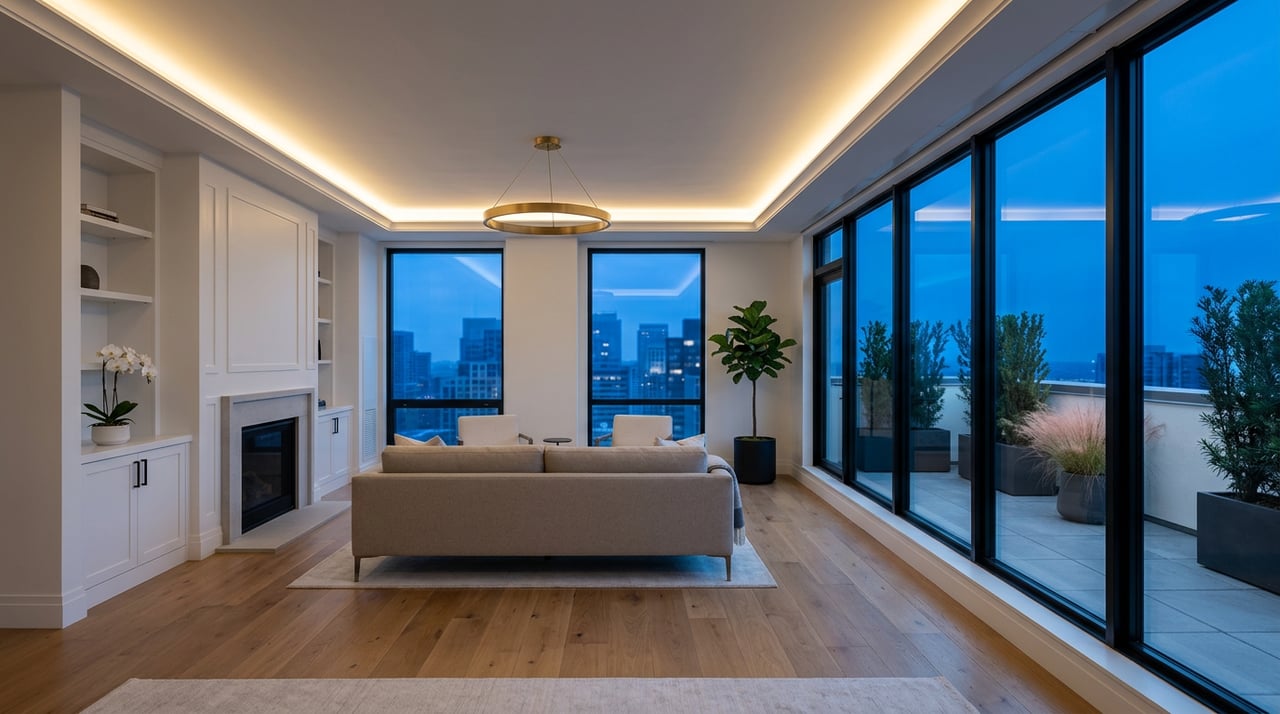
Imagine stepping into a sunlit great room, glass stretching from floor to ceiling, with Atlanta’s skyline at eye level. If you are weighing a penthouse or top‑floor condo in Downtown Atlanta, you likely value views, walkability, and lock‑and‑leave convenience. This guide gives you a clear picture of pricing, buildings, HOA fine print, lifestyle tradeoffs, and a practical due‑diligence checklist you can use right away. Let’s dive in.

Why Downtown for a penthouse

Downtown Atlanta puts you close to restaurants, sports and entertainment, major employers, and MARTA. Peachtree Center earns a high walkability rating, with a Walk Score in the low 90s, which signals easy access to daily needs and dining. You can confirm that with the area’s rating on Peachtree Center’s Walk Score page.

Transit access is a major advantage. Five Points is MARTA’s central transfer station, and several Downtown towers sit within a short walk of multiple stations. MARTA’s planned improvements at Five Points are a long‑term positive for connectivity, though you should expect temporary construction impacts on pedestrian routes and bus operations. You can see the overview at MARTA’s Five Points information page.

What “penthouse” means in Downtown

Downtown’s condo inventory is diverse. You will see everything from compact top‑floor lofts in conversion buildings to hotel‑residence penthouses with concierge services and sky‑level amenities. In practical terms, the “penthouse” label covers a wide spectrum.

  • Entry and mid‑level high‑rise units, including some top‑floor options in larger towers, often trade in the low to mid hundreds of thousands. Recent examples include multiple one‑bedroom sales at 400 W Peachtree in roughly the 220,000 to 300,000 range, depending on finishes, floor, and views.
  • Upper‑tier Downtown penthouses exist, including hotel‑residence products. A two‑story penthouse at the W Residences at 45 Ivan Allen has been marketed around 2.0 to 2.1 million, which reflects the high end of Downtown pricing and the premium for hotel‑style services.

The takeaway: pricing varies by building, square footage, orientation, terrace space, finishes, and service model. Always compare recent building‑specific comps before you set your target.

Amenities and services to expect

Most Downtown high‑rises offer a concierge or staffed front desk, fitness centers, clubrooms, and pools. Covered or deeded garage parking is common. Hotel‑residence buildings may layer in room service, valet, spa access, and resident‑only pools, which often leads to higher association dues. Decide upfront how much you value full‑service living versus a more conventional condo experience.

HOA and legal basics to review

Your HOA due diligence is as important as the view. Focus on three areas: monthly dues, reserves and assessments, and insurance responsibilities.

Monthly dues

Association fees vary widely. In some Downtown towers, a mid‑range unit has carried dues around the high 300s per month for services like security, grounds, and reserve contributions. Larger units, extensive amenities, or hotel‑style services can mean meaningfully higher dues. Ask exactly what the fee covers and what it does not.

Reserves and assessments

Condominiums fund common‑area maintenance and capital projects through operating budgets and reserves. Request the current budget, reserve study, financials, and recent meeting minutes to spot planned projects. Under Georgia’s Condominium Act, associations have powers to levy assessments and place liens for unpaid common expenses. You can review the statute’s framework at Georgia Code 44‑3‑109. Building documents control the specifics, so read the declaration for your target condo.

Insurance and roof responsibilities

Confirm what the master policy covers versus what you must insure under your HO‑6 policy. For penthouses with private roof terraces, outdoor kitchens, or plunge pools, determine who is responsible for waterproofing and exterior elements, and whether additional coverage or endorsements are required. Georgia law outlines association insurance responsibilities and owner obligations. Start with Georgia Code 44‑3‑106 and compare it to the building’s insurance certificate and declaration.

Top‑floor technical checks that matter

Penthouse living adds a few technical items to your inspection list. These are common sense steps that protect your investment and future resale.

Roof decks and waterproofing

  • Verify legal status: Is the terrace a limited common element tied to your unit or a licensed area controlled by the HOA?
  • Request roof‑replacement history, recent leak records, and any warranty details.
  • Ask for drainage plans and load limits if you plan heavy planters, outdoor kitchens, or hot tubs.

Elevators and move logistics

  • Confirm move‑in rules, elevator reservation procedures, and any associated fees.
  • Ask about service elevator access for large furniture and delivery hours.
  • Review the elevator maintenance contract and whether the reserve plan covers future replacements.

Mechanical noise and HVAC

  • Identify the location of cooling towers, generators, and mechanical rooms near the roof.
  • Visit during peak hours to gauge ambient noise.
  • Ask if the building has backup power for elevators and HVAC during outages.

Parking and storage

  • Confirm if parking spaces are deeded to the unit or assigned by the association. Deeded spaces typically offer stronger resale value.
  • Verify any storage lockers and what will convey at closing.

Lifestyle tradeoffs to weigh

Views in Downtown are a major draw. Orientation matters, since north‑facing exposures can frame Midtown and Buckhead, while west or south can showcase Centennial Olympic Park and event venues. Visit at different times to judge light, potential glare, and solar heat gain. Window systems and shades can make a big difference in comfort.

Downtown’s energy is part of its charm. Major events at Mercedes‑Benz Stadium and State Farm Arena bring occasional crowds, traffic, and noise. Higher floors and quality window systems help. If you prefer quieter surroundings, weigh whether the convenience of walking to games and shows offsets event‑day congestion.

Downtown vs. Midtown vs. Buckhead

  • Product mix: Downtown blends hotel‑residence options, traditional condo towers, and conversion lofts. Midtown and Buckhead skew toward newer full‑service luxury towers and branded residences, especially at the ultra‑luxury level.
  • Walkability and transit: Downtown ranks among the most walkable areas in Atlanta and offers dense MARTA access. Midtown is also highly walkable. Buckhead delivers top‑tier luxury towers with a more boutique retail and dining set, and a different transit profile.
  • Price flavor: Trophy ultra‑luxury penthouses are more concentrated in Buckhead and select Midtown projects. Downtown offers a wide range, from accessible top‑floor lofts to hotel‑style residences, all with strong proximity to convention, entertainment, and tourist destinations.
  • Lifestyle: Choose Downtown for immediate access to major venues and attractions. Pick Midtown for arts and dining concentration. Consider Buckhead for luxury retail and a greater concentration of full‑service, high‑amenity towers.

Budgeting and taxes

Build a realistic monthly budget that includes your mortgage, HOA dues, utilities not covered by the HOA, insurance for interior finishes and contents, and any hotel‑style service fees if applicable. For taxes, use the Fulton County estimator to preview the likely annual obligation for a specific address. The county tool is available at the Fulton County property tax estimator.

Your one‑page buyer checklist

Download or print this section. It covers the key documents, inspections, questions, and closing items that keep your purchase on track.

Documents to request

  • Recorded declaration, bylaws, plats, and your unit’s legal description
  • Current rules and regulations, including rental and short‑term rental policies
  • Current year budget, most recent financial statements, and latest reserve study
  • Association insurance certificate with coverages and deductibles
  • Resale or estoppel certificate showing assessments and account status
  • Meeting minutes for the last 12 to 24 months
  • Details on any pending litigation involving the association or developer

Technical inspections and specialists

  • Full home inspection for interior systems and appliances
  • Roof membrane and waterproofing inspection for private terraces or roof decks
  • Structural engineer review for heavy terrace elements or unique loads
  • Window, balcony, and guardrail anchorage check
  • Noise and mechanical survey if rooftop equipment is adjacent to the unit
  • Review of elevator service contracts and move‑in policies

Association and money questions

  • What are the current dues, and what do they include? Any planned increases?
  • Are special assessments planned in the next 1 to 3 years? See approved contracts and schedules.
  • How many units are delinquent, and what are the collection procedures?
  • What is the owner‑occupancy rate? What are the rental and short‑term rental rules?
  • Who manages the property, and what is the term of the management contract?

Closing and post‑close items

  • Confirm what conveys: deeded parking, assigned spaces, storage, keys, and fobs
  • Verify HO‑6 insurance and consider flood coverage if applicable
  • For hotel‑residence units, confirm any required service agreements or subscriptions

How we help you buy with confidence

Securing the right Downtown penthouse takes targeted market intel, building‑level due diligence, and calm execution. As a luxury‑focused Atlanta advisor, Brandi and the team combine discreet, relationship‑driven service with data‑smart guidance that protects your time and money. You get candid pricing advice, building‑document coordination, and introductions to trusted local inspectors and specialists, along with relocation support tailored to busy professionals and second‑home buyers.

When you are ready to explore Downtown’s top floors, we will help you narrow the field to the right buildings, time your offer, and negotiate with confidence.

If a sky‑level address is on your list, let’s talk about timing, budget, and the buildings that fit your lifestyle. Connect with Brandi Hunter‑Lewis for a confidential consultation.

FAQs

What defines a penthouse in Downtown Atlanta?

  • In Downtown, “penthouse” can mean a top‑floor condo, a larger upper‑level unit with extra ceiling height and views, or a hotel‑residence home with concierge services. Always review the floor plan, level, and amenities for specifics.

How much do Downtown Atlanta penthouses cost right now?

  • Recent examples range from top‑floor or upper‑level units in the low to mid hundreds of thousands to hotel‑residence penthouses marketed around 2.0 to 2.1 million. Prices vary by building, size, finishes, views, and services.

How walkable is Downtown for daily life?

  • Peachtree Center scores in the low 90s on Walk Score, reflecting strong access to dining, services, and transit. See the rating on Walk Score.

What should I check in the HOA documents for a penthouse?

  • Focus on dues and what they cover, the reserve study and planned projects, insurance coverage and deductibles, rental rules, and any litigation or special assessments. Georgia’s framework for assessments is outlined in Georgia Code 44‑3‑109.

Do I need special insurance for a private roof terrace?

  • Possibly. Confirm what the master policy covers and whether terrace elements are your responsibility. Some features may require additional owner coverage or endorsements. Start with Georgia Code 44‑3‑106 and the association’s insurance certificate.

How will MARTA access affect my commute?

  • Downtown has multiple stations within walking distance, and Five Points connects all heavy rail lines. Construction at Five Points will improve the hub long term but may affect access short term. Check updates on MARTA’s Five Points page.

Are short‑term rentals allowed in Downtown Atlanta condos?

  • Policies vary by building. Some associations restrict or prohibit short‑term rentals, which can affect financing and resale. Review the rules and bylaws before you write an offer.

How do I estimate property taxes for a Downtown condo?

Work With Brandi

Brandi proudly takes her professional career seriously and looks forward to doing all she can to make your real estate experience a rewarding one. Whether you are selling or buying, She will do everything possible to ensure a smooth and successful transaction from start to finish.