How to Buy South Fulton New Construction Homes Confidently
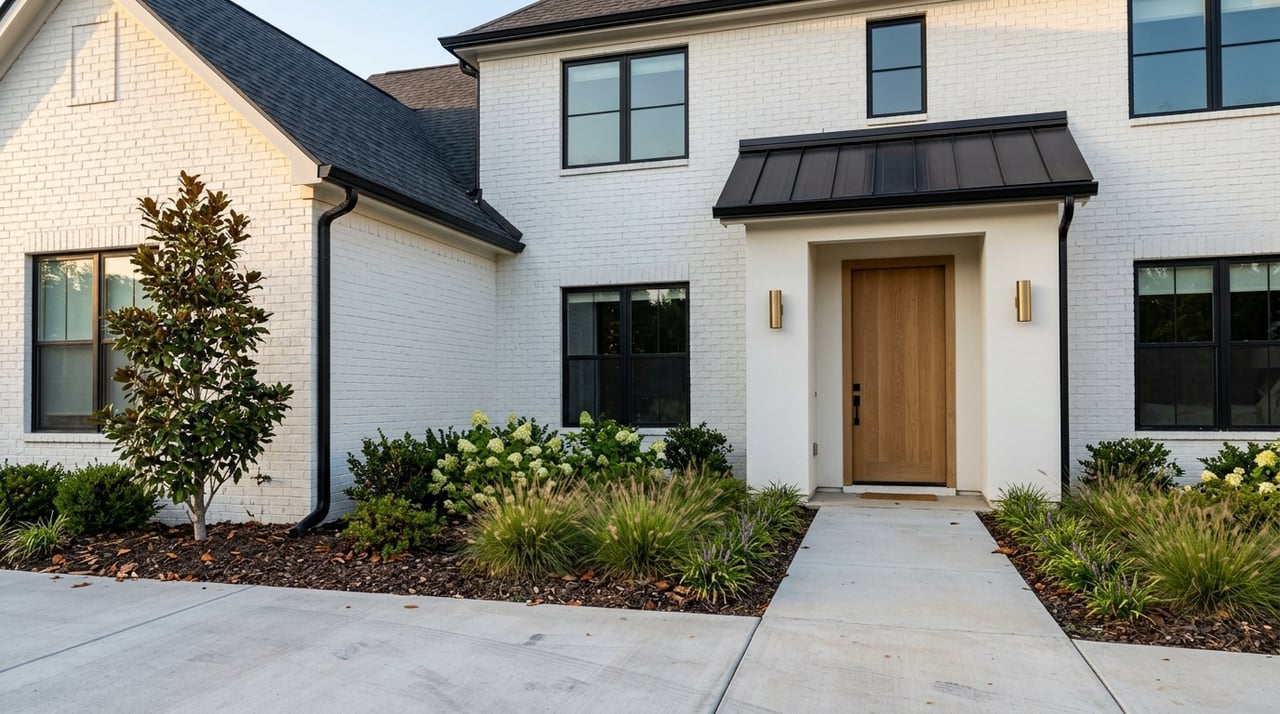
Buying a brand-new home in South Fulton can feel exciting and overwhelming at the same time. You may love the idea of modern finishes, energy-efficient systems, and fewer near-term repairs, but you also want to avoid surprises in the contract, construction timeline, or closing process. If you want to buy new construction with more clarity and less stress, this guide will walk you through the key decisions, documents, and local checkpoints that matter most. Let’s dive in.
South Fulton remains an active place to shop for homes. Realtor.com market data shows roughly 909 homes for sale with a median listing price near $325,000, which points to a live market where buyers still have opportunities to compare options.
The city also continues to plan for long-term growth. South Fulton’s strategic planning update describes the city as home to more than 115,000 residents and highlights ongoing focus on zoning, transportation, housing, land use, and infrastructure.
If you are exploring new subdivisions or homes near active redevelopment areas, it helps to understand where planning activity is happening. The city’s Planning & Zoning page references corridors such as Old National, Sandtown, Campbellton, Washington Road, and Model Mile, which can influence where you see newer homes and future development.
Not every new home follows the same path. Before you tour properties or sign anything, it helps to understand whether you are considering a spec home, a stock-plan build, or something closer to semi-custom.
A spec home is usually already under construction or recently completed. According to the National Association of Realtors consumer guide, buyers who enter early enough may still get to choose some finishes such as flooring, lighting, tile, countertops, cabinets, or vanities.
If your goal is a quicker move, a spec home may be the most practical fit. In many cases, you trade some design control for a shorter timeline and a more predictable path to closing.
Stock plans are pre-designed homes that can still allow some customization. NAR notes that buyers may be able to adjust features like layout, number of levels, or exterior details, depending on the builder and stage of construction.
This option can work well if you want a home that feels personalized without starting from scratch. It often sits between convenience and customization.
Semi-custom homes are often the middle ground between a spec home and a fully custom build. You typically begin with an existing plan and then make selected layout, structural, or finish changes.
That added flexibility can be appealing, but it usually means more decisions, more approvals, and a longer timeline. If you value control, this may be worth it.
A fully custom home gives you the most freedom, but it also requires the most patience. NAR says the design process alone often lasts three to six months, and construction typically lasts at least 12 to 16 months.
For many buyers in South Fulton, the real question is simple: do you want speed, control, or a balance of both? Once you answer that, your search becomes much more focused.
If you are buying a lot, choosing a build-to-order package, or considering changes to a floor plan, zoning matters early. South Fulton uses zoning rules to regulate permitted uses, lot dimensions, setbacks, and building square footage, according to the city’s Planning & Zoning resources.
This is one area where assumptions can get expensive. A lot that looks ideal on paper may still come with restrictions that affect what can be built or how the home can sit on the site.
The city also offers pre-application meetings, which can help surface issues before a project moves too far. If you are weighing a semi-custom or build-on-your-lot opportunity, that extra step can save time and frustration.
A polished model home does not replace due diligence. Before you move forward, confirm that the builder or contractor is properly licensed and insured.
Georgia Consumer Ed says residential and general contractors who offer services for compensation in Georgia must be licensed. That same guidance recommends verifying license status through the Secretary of State, checking insurance, asking for references, getting written bids, and making sure start and completion dates are written into the contract.
A good builder conversation should feel transparent, not rushed. If timelines are vague or answers are hard to pin down, take that as a sign to slow the process down.
New-construction contracts can look very different from resale contracts. They often include builder-specific terms, upgrade policies, construction timelines, and dispute procedures that deserve a close read.
Georgia rules add an important layer of protection. Under Georgia SOS Rule 553-7, licensed residential contractors must offer a written warranty on covered contracts over $2,500, and the warranty must explain what is covered, what is excluded, how long coverage lasts, how to make a claim, and what manufacturer warranties may transfer to you.
The FTC’s guidance on new-home warranties also explains the difference between a builder warranty and a home warranty. In many builder warranty plans, workmanship and materials may be covered for about one year, systems such as HVAC, plumbing, and electrical for about two years, and major structural defects for up to 10 years in some plans.
That does not mean every warranty is the same. You should read the actual terms, especially the exclusions and the dispute-resolution section, because the FTC notes that many warranties require mediation or arbitration.
Verbal assurances can sound comforting during a model-home tour, but they are not enough. If a finish, incentive, repair, completion date, or allowance matters to you, it should appear in writing.
Georgia Consumer Ed advises buyers to make sure all guarantees, warranties, and promises are documented and to tie payments to completed stages rather than paying a large amount upfront. That written paper trail matters if questions come up later.
This applies to upgrade credits, appliance packages, lot premiums, closing-cost assistance, and completion deadlines. If it matters to your budget or move-in plans, document it.
One common mistake in new construction is assuming a brand-new home does not need an inspection. It does.
HUD states in its home inspection guidance that a home inspection is not automatic and is not required by law, and the appraisal is not a substitute for an inspection. The CFPB adds that the independent inspector should be accountable to you, which is exactly why this step matters.
For many new homes, a practical inspection rhythm includes:
That final inspection can be especially valuable because many workmanship and materials items may fall under a one-year builder warranty period, based on the FTC’s explanation of common warranty structures.
In South Fulton, residential new-construction permits and inspections run through Development Services and the city’s SagesGov process, as explained on the city’s Building Permits page. The same page notes that inspection requests submitted before 4 p.m. may be scheduled as early as the next business day.
The city also states that Georgia’s new mandatory code set took effect January 1, 2026, including the 2024 IRC, IBC, IMC, IFGC, IPC, ISPSC, and 2026 Georgia amendments to the 2023 NEC. If you are buying a newly permitted home, it is reasonable to ask how the build aligns with that current code cycle.
You do not need to become a code expert. You just need to ask smart, timely questions and make sure the builder can clearly explain the home’s permit and inspection status.
Before you head to the closing table, confirm that the home is truly ready for occupancy. In South Fulton, no residence may be occupied until a certificate of occupancy has been issued.
According to the city’s Certificate of Occupancy overview, final building, electrical, mechanical, plumbing, and site approvals must be passed, required fees must be paid, and utilities must be on for certain final inspections. The city also says CO requests are processed within 72 hours after the request and confirmation of approvals.
If the home is still under construction, ask for permit status, inspection status, and CO timing before you close. That simple check can help you avoid delays, incomplete punch-list items, or move-in confusion.
When you buy from a builder, the sales team on site represents the builder’s interests. That is why independent guidance matters.
NAR’s consumer agency guide explains that a real estate professional becomes your agent when you hire them to represent you, and buyers may be asked to sign a written buyer agreement before touring homes. NAR also notes that REALTORS® are ethically committed to protect and promote their clients’ interests.
In a new-construction purchase, that support can help you compare builders, flag contract concerns, keep timelines organized, and stay focused on what matters most to you. If your purchase involves land, semi-custom choices, or construction financing, NAR also notes that an agent can help you better understand the moving parts of those transactions.
If you want to buy new construction in South Fulton with confidence, focus on these core steps:
A brand-new home can be a smart move, but confidence comes from preparation, not assumptions. If you want discreet, informed guidance as you evaluate new construction opportunities in South Fulton or across the Atlanta area, connect with Brandi Hunter-Lewis for a confidential consultation.
Stay up to date on the latest real estate trends.

Brandi proudly takes her professional career seriously and looks forward to doing all she can to make your real estate experience a rewarding one. Whether you are selling or buying, She will do everything possible to ensure a smooth and successful transaction from start to finish.