Explore Old Fourth Ward Luxury Living on the BeltLine
If you want luxury in Atlanta without giving up energy, walkability, or neighborhood character, Old Fourth Ward deserves a close look. This is one of those rare places where historic streetscapes, modern residences, park access, and BeltLine convenience come together in a way that feels both polished and livable. If you are exploring an in-town move, upgrading your lifestyle, or relocating to Atlanta, this guide will show you what makes BeltLine living in Old Fourth Ward stand out. Let’s dive in.
Old Fourth Ward is one of Atlanta’s most recognized in-town neighborhoods, with deep historic roots and a strong mixed-use identity. According to Neighborhood Planning Unit M, it includes landmarks such as the Martin Luther King Jr. Center, Municipal Market, Ponce City Market, and Historic Fourth Ward Park.
That mix matters because it shapes how the neighborhood feels day to day. Instead of functioning as only a residential area, Old Fourth Ward operates more like an urban lifestyle hub where homes, parks, retail, dining, and cultural destinations sit close together.
The BeltLine is a major reason Old Fourth Ward has such strong appeal for luxury buyers. The Eastside Trail is the BeltLine’s first completed section in the old rail corridor, and it connects Old Fourth Ward to places like Historic Fourth Ward Park, Thomas Taylor Memorial Skatepark, Ponce City Market, Krog Street Market, and Piedmont Park.
For you, that means daily life can feel more connected and efficient. You can step out for a walk, bike ride, coffee, dinner, or a park visit without needing to build your whole day around driving.
Luxury in Old Fourth Ward is often less about gates and distance from activity, and more about easy access to it. BeltLine-adjacent living offers a routine built around movement, flexibility, and proximity to some of Atlanta’s most active public spaces.
That kind of convenience can be a major lifestyle upgrade. When your favorite trails, greenspace, dining, and shopping are all close to home, everyday routines start to feel more seamless.
The Eastside Trail is not just a path from point A to point B. The BeltLine describes the corridor as a place for public art, outdoor recreation, and shopping and dining activity, which gives the area an active social rhythm.
If you are drawn to neighborhoods that feel alive throughout the day, this is part of the appeal. The BeltLine creates a built-in sense of movement that many buyers want in an in-town setting.
Ponce City Market is one of the clearest examples of how luxury works in Old Fourth Ward. Its official site says it sits ten steps from the BeltLine and includes 56 locally owned businesses, along with office, retail, entertainment, food, fitness and wellness amenities, furnished apartments, and hotel-style living options.
This is important because it turns convenience into part of your lifestyle. Coffee runs, casual meetings, errands, workouts, and evening plans can all happen close to where you live.
In many luxury markets, convenience is a bonus. In Old Fourth Ward, it is often a defining feature. The ability to move easily between home, work, dining, and recreation is part of what gives the area its elevated feel.
That appeals to a wide range of buyers, including professionals, relocators, and people who want an in-town home that supports a more flexible routine. You are not just buying square footage here. You are buying access and flow.
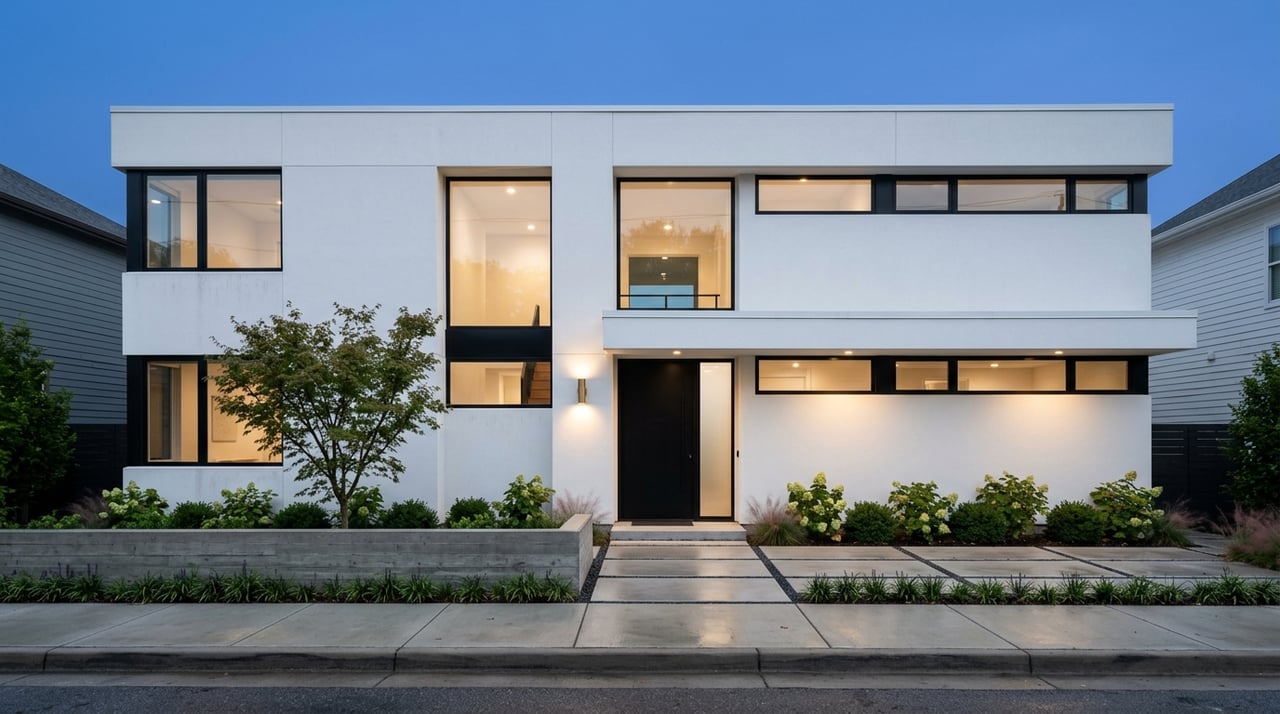
One of the most compelling parts of Old Fourth Ward is its architectural range. The City of Atlanta’s Old Fourth Ward Master Plan emphasizes preserving the neighborhood’s historic character, encouraging historic rehabilitation, and guiding new infill housing in the historic district to use historic styles and materials.
That preservation mindset helps explain why the neighborhood feels layered rather than uniform. You can see traces of Atlanta’s past while still finding newer residential options that support a modern luxury lifestyle.
The neighborhood’s early housing stock included many shotgun houses, and National Park Service documentation for the Martin Luther King Jr. Historic District references shotgun-style homes and preserved streetscapes in the King neighborhood. These details contribute to Old Fourth Ward’s sense of place.
The area also includes notable historic properties. The City of Atlanta identifies the Fuller-Freedom House as an Italian Renaissance home and a contributing property in the Martin Luther King Jr. National Register Historic District.
Old Fourth Ward is not frozen in time. Ponce City Market’s live offerings include Flats, Scout Living, and Signal House, and PCM’s Phase 2 plan includes a mass timber loft office building, hospitality living, and a new multifamily residential community.
Signal House is described by Ponce City Market as a 21-story, 162-unit residential rental community with BeltLine-facing retail. Together, these additions show how the neighborhood continues to evolve while keeping its urban identity intact.
Luxury living in Old Fourth Ward is also tied to what you can do outside your front door. The BeltLine says the corridor includes one of the largest public art exhibitions in the Southeast, along with an arboretum of trees, grasses, and wildflowers.
That creates a setting that feels more visually dynamic than a typical urban neighborhood. For buyers who value design, scenery, and outdoor activity, that is a meaningful part of the draw.
Historic Fourth Ward Park gives the neighborhood a strong greenspace anchor. The park includes 17 acres of greenspace, a 2-acre lake, a splash pad, an amphitheater, and direct trail connections.
This kind of access can change how a neighborhood functions for you. It gives you room to walk, unwind, gather, and enjoy the city in a way that feels open rather than crowded.
Thomas Taylor Memorial Skatepark, located alongside the Eastside Trail, adds another layer of recreation and event space. That helps Old Fourth Ward feel like more than a collection of restaurants and residential buildings.
The result is a neighborhood with broader lifestyle depth. You have places for movement, art, public gathering, and outdoor time, all integrated into the local experience.
Old Fourth Ward often appeals to buyers who want design, access, and a more connected daily routine. The neighborhood’s mix of park views, walkable dining, adaptive-reuse character, and modern residential options creates an in-town lifestyle that feels polished without feeling overly formal.
It can be a strong fit if you value being close to activity while still wanting a home with style and substance. For many buyers, the luxury is not just in the finishes. It is in the combination of convenience, texture, and location.
If you are considering luxury living along the BeltLine in Old Fourth Ward, it helps to evaluate the neighborhood through a lifestyle lens as much as a real estate one. The right property is often the one that best matches how you want to move through your day.
As you compare options, pay attention to:
These factors can shape not only how a home feels, but also how well it supports your lifestyle over time.
In a neighborhood as layered as Old Fourth Ward, luxury is not one-size-fits-all. One buyer may prioritize direct trail access and newer amenities, while another may be drawn to historic context, architectural detail, or a quieter pocket near major attractions.
That is why local insight matters. When you understand how each micro-area functions, you can make a more confident decision about where and how to buy.
If you are considering a move in Old Fourth Ward or want a more tailored view of luxury opportunities along the BeltLine, Brandi Lewis offers discreet, high-touch guidance rooted in Atlanta neighborhood expertise. Let’s connect and schedule a confidential consultation.
Stay up to date on the latest real estate trends.


Brandi proudly takes her professional career seriously and looks forward to doing all she can to make your real estate experience a rewarding one. Whether you are selling or buying, She will do everything possible to ensure a smooth and successful transaction from start to finish.