Explore Sandy Springs Riverfront Living for Homeowners
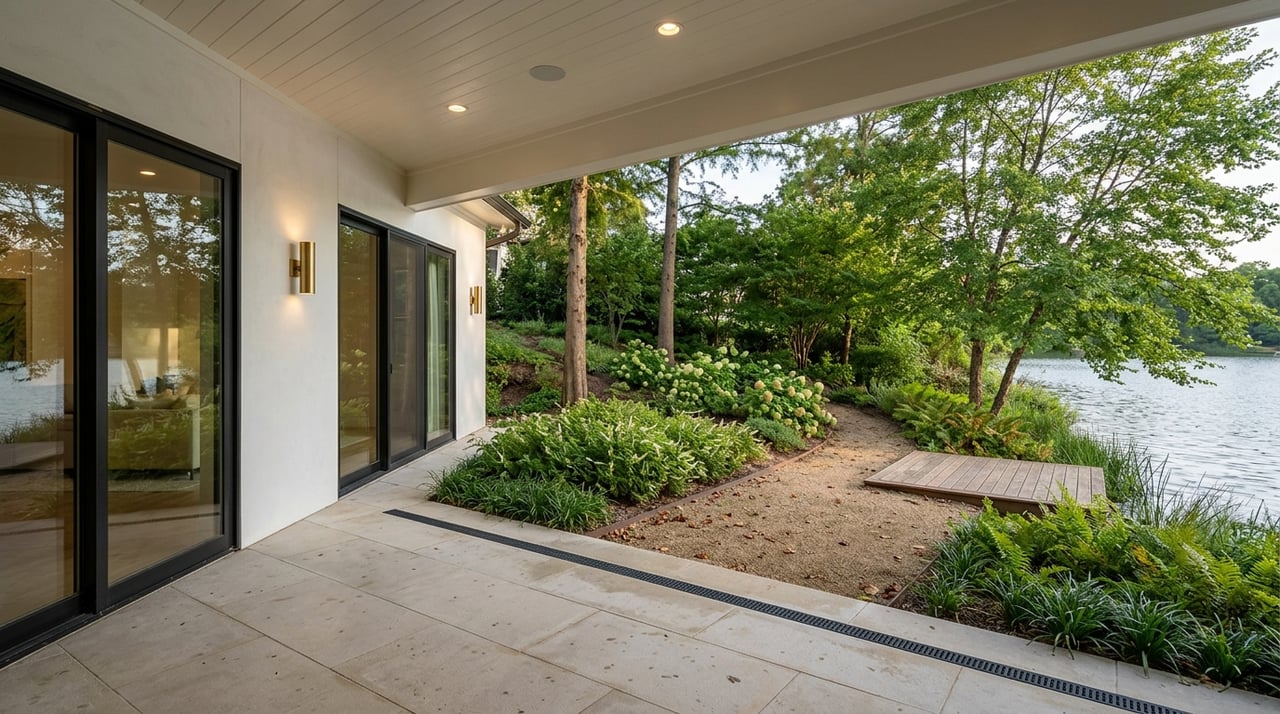
Are you looking for a place where weekends can start on the river and end with dinner in a walkable downtown district? For many homeowners, that balance is what makes Sandy Springs stand out. If you are exploring the area for a move, a lifestyle upgrade, or a future sale, it helps to understand how the city blends outdoor access, housing variety, and everyday convenience. Let’s dive in.
Sandy Springs builds its riverfront identity around the Chattahoochee River and a broad park system. The city maintains more than 950 acres of parkland and more than 20 miles of Chattahoochee River shoreline in partnership with the National Park Service. That gives you a rare mix of protected green space and daily access to the water.
What makes the lifestyle especially appealing is the contrast within the city itself. You have a wooded river corridor that supports hiking, paddling, and quiet nature time, and you also have City Springs, the 14-acre downtown mixed-use district with civic spaces, restaurants, fitness studios, residential apartments, and year-round programming. For homeowners, that means your lifestyle is not tied to just one type of environment.
If you picture riverfront living as more than a view, Sandy Springs delivers on that idea. The city’s river corridor includes Island Ford, Powers Island, and East Palisades, each offering a different experience along the Chattahoochee.
Morgan Falls Overlook Park is one of the city’s best-known river access points. Opened in 2010 as the first new park created after incorporation, it offers river views, a two-thirds-mile hiking trail, a floating dock for kayak, canoe, and paddleboard access, a playground, a dog park, and picnic amenities. If you want an easy place to start your weekend outdoors, this is often part of the conversation.
Island Ford Park offers a more trail-focused experience. It includes three miles of trails along the river, a visitor center in Hewlett Lodge, and fishing access. For homeowners who want regular access to walking trails without leaving the city, that kind of amenity matters.
East Palisades brings a more scenic and memorable feel to the river corridor. The city describes it as one of the most scenic stretches of the Chattahoochee, with a 3.4-mile trail that includes overlooks, an old mill ruin, and a bamboo forest. It adds a destination feel to everyday life in Sandy Springs.
Powers Island offers a quieter setting. Its 2.5-mile loop moves through riverside forest and is considered a lesser-traveled option, which can appeal if you value a more peaceful outdoor routine.
Crooked Creek Park expands the story beyond the main river destinations. This passive park in the city’s panhandle includes a one-mile walking trail through wetlands and diverse forests, with no bicycles or facilities. It is a reminder that Sandy Springs’ nature access extends beyond the headline parks.
The riverfront lifestyle here is not limited to hiking. Sandy Springs highlights kayaking, rafting, stand-up paddleboarding, fishing from the Morgan Falls Dam area and Island Ford, birding hotspots, and cycling routes that move along the river and tree-lined residential streets.
That variety gives you flexibility in how you use the area. Some homeowners want active recreation close to home, while others are drawn to slower experiences like birding, walking, or simply spending time near the water. Sandy Springs supports both.
One of the strongest parts of the local lifestyle is the range of settings available along the river. Morgan Falls can feel active and social, while places like Powers Island and Crooked Creek offer a quieter experience.
The city also identifies birding hotspots at Morgan Falls Overlook Park, Island Ford, East Palisades, Powers Island, and other preserves. That reinforces an important point for buyers and owners alike: the river corridor is a network of natural spaces, not just a single park.
A riverfront lifestyle in Sandy Springs is not only about time outside. City Springs gives the city a compact downtown core that supports daily errands, dining, performances, and community events in one place.
This 14-acre mixed-use district includes City Hall, the Sandy Springs Performing Arts Center, the Conference Center, City Green, restaurants, fitness studios, and residential apartments. For homeowners, that creates a practical counterbalance to the wooded river corridor.
You can spend the morning on a trail and still have easy access to dinner, a performance, or community programming later in the day. That combination is a meaningful part of what separates Sandy Springs from places that offer either outdoor access or urban convenience, but not both.
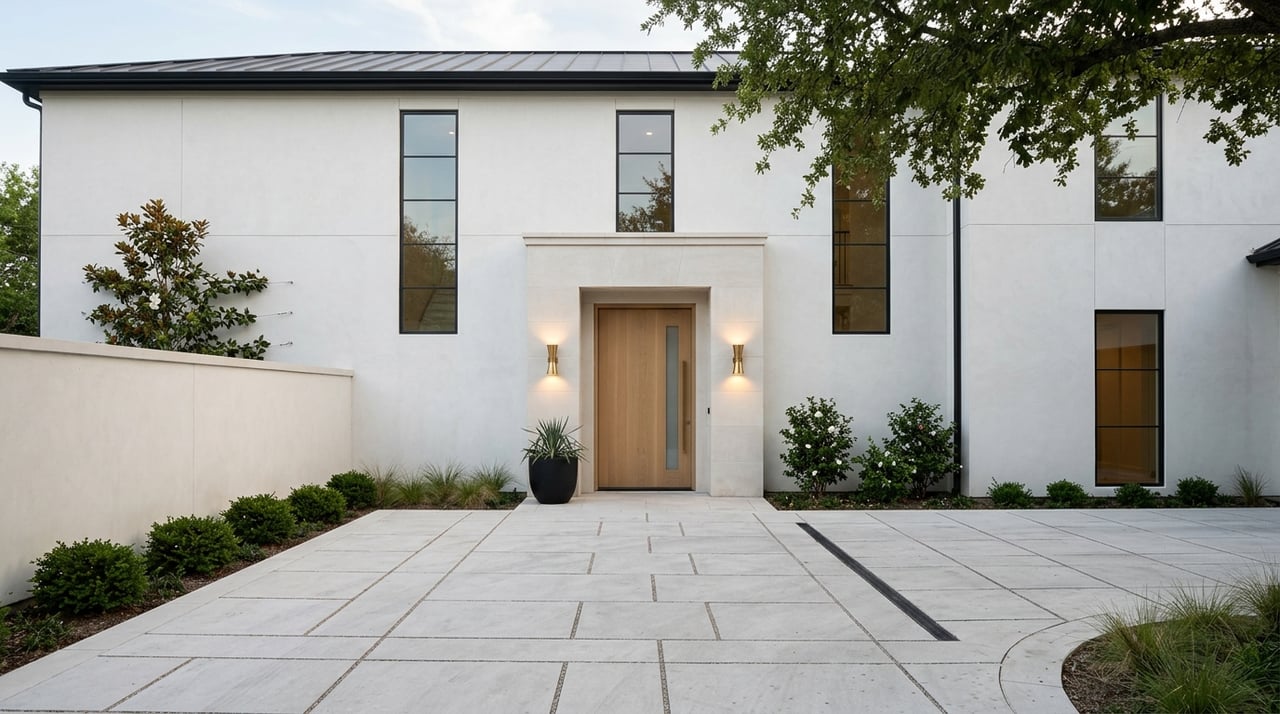
If you are considering a move to Sandy Springs, it helps to know that the housing stock reflects the city’s layered growth. According to the city’s public housing assessment, 71% of the housing stock was built between 1960 and 1999. Many older homes and apartments need renovation, and teardown-rebuild activity has been a visible part of the single-family market.
That creates a mix of home options that can appeal to different types of homeowners. In practical terms, you are likely to see:
The same assessment notes that the city has a significant number of for-sale condominiums and townhomes. It also found that 78% of units delivered between 2010 and 2019 were multifamily rental, with 15% single-family attached. That mix helps explain why Sandy Springs can serve both buyers looking for space and buyers who prioritize lower-maintenance living.
City Springs includes residential apartments as part of its downtown district. Beyond that, the city says the North End is being steered toward more housing variety and mixed-use redevelopment along Roswell Road.
Powers Ferry shows another side of the city’s development pattern. Sandy Springs describes it as a western gateway that includes a regional employment center, residential neighborhoods, small-scale retail, and access to the Chattahoochee River National Recreation Area. For homeowners, that means lifestyle options can vary depending on whether you prioritize river access, mixed-use convenience, or a combination of both.
Buying near the Chattahoochee comes with real advantages, but it also requires a practical mindset. Some river-adjacent parcels are affected by the Metropolitan River Protection Act corridor, which covers land within 2,000 feet of the river.
Within that corridor, there are rules that include a 50-foot undisturbed vegetative buffer and a 150-foot impervious surface setback along the river. Land-disturbing activity in the corridor requires review for consistency with the plan. For you as a homeowner or buyer, the takeaway is simple: buildability and future site changes may be more limited on some riverfront or river-adjacent properties than on interior lots.
That does not make these homes less attractive. It simply means due diligence matters more. If you are evaluating a property near the river, understanding site constraints is part of understanding the full lifestyle and ownership picture.
Lifestyle only works if daily logistics are manageable, and Sandy Springs performs well on that front. The city is accessible by Georgia 400 and Interstate 285, which intersect in the city, and MARTA bus routes and rail stations serve the area.
The city also notes that four MARTA rail stations sit within the Central Perimeter area. If you travel often, Sandy Springs says Hartsfield-Jackson Atlanta International Airport is about 30 minutes away by car. That level of connectivity can be especially appealing if you want river access without giving up regional mobility.
Another reason Sandy Springs continues to draw attention is that the city is still investing in how residents reach and use the river. The Riverfront Access Plan identifies Morgan Falls, the northern end of Roswell Road, and Crooked Creek as three opportunity areas for improved river access.
The Springway connector also links Roswell Road to Morgan Falls Overlook Park. Combined with the city’s continued maintenance of more than 20 miles of Chattahoochee shoreline, these efforts show that the riverfront is not a static feature. It is an active part of the city’s long-term planning and public amenity strategy.
For many buyers and owners, Sandy Springs works because it offers two strong settings in one city. You can enjoy wooded trails, river overlooks, paddling access, and quiet natural spaces, while still staying connected to restaurants, performances, civic spaces, and major transportation routes.
That balance is especially valuable if you want a home that supports both retreat and routine. Whether you are drawn to an updated single-family home, a newer rebuild, or a lower-maintenance residence closer to mixed-use activity, Sandy Springs gives you multiple ways to live near the river without losing touch with everyday convenience.
If you are thinking about buying or selling in Sandy Springs and want a thoughtful, discreet strategy tailored to your goals, Brandi Lewis can help you navigate the market with local insight and white-glove guidance.
Stay up to date on the latest real estate trends.
Brandi proudly takes her professional career seriously and looks forward to doing all she can to make your real estate experience a rewarding one. Whether you are selling or buying, She will do everything possible to ensure a smooth and successful transaction from start to finish.